
Louisiana Income Tax 2026: Elimination Off the Table?
TL;DR
Louisiana is not eliminating its state income tax in 2026, despite previous discussions. Lawmakers are prioritizing financial stability due to projected budget deficits, with a potential $329 million shortfall by 2027. While minor tax adjustments might occur, a full elimination is currently off the table as the state navigates complex fiscal challenges.
---
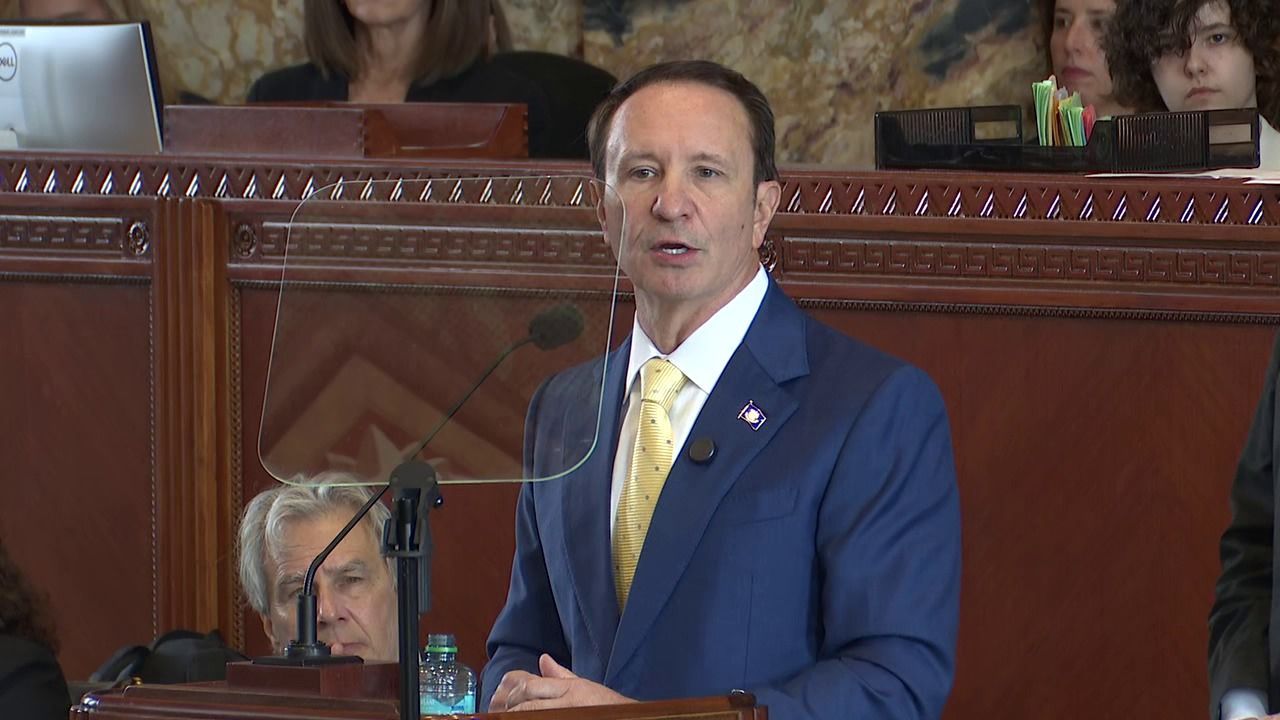
For years, the idea of eliminating Louisiana's state income tax has been a hot topic. It’s been floated as a long-term goal by leaders like Governor Jeff Landry, sparking hope and debate across the state.
But as the 2026 legislative session approaches, the message from Baton Rouge is becoming crystal clear: a full elimination of the state income tax isn't realistic right now. Instead, the focus has shifted dramatically towards maintaining financial stability and avoiding future budget shortfalls.
So, what exactly is happening with Louisiana's tax landscape, and what does it mean for residents and businesses? Let's dive into the details.
What Is Happening With Louisiana Income Tax Right Now?
Louisiana lawmakers are currently shifting their focus from tax elimination to fiscal stability amidst looming budget concerns.
Over the past couple of years, there's been significant discussion about doing away with the state's income tax entirely. It's an attractive idea for many, promising potential economic boosts and more money in residents' pockets. However, the reality of the state's financial outlook has prompted a strategic pivot.
State leaders, who once supported the long-term goal of elimination, are now making it clear that such a drastic move is simply not feasible for the upcoming legislative session. The priority has become safeguarding the state's financial health rather than pursuing major tax cuts that could destabilize public services.
This change in direction signals a more cautious approach to tax policy, reflecting a deeper understanding of the economic challenges Louisiana faces.
Why Louisiana Is Not Eliminating Income Tax
The biggest reason Louisiana is not eliminating income tax is the state's challenging budget outlook and the critical role income tax plays in revenue generation.
After enjoying nearly a decade of budget surpluses, Louisiana is now facing a projected financial downturn. This shift is a major concern for lawmakers, making the elimination of a significant revenue source like income tax incredibly difficult.
Consider these stark projections:
- 2027: An estimated $\$329$ million budget deficit.
- 2030: If no corrective actions are taken, this shortfall could balloon to over $\$900$ million.
Removing income tax at such a critical juncture would dramatically worsen this projected gap, leaving the state scrambling to fund essential services. It's a classic balancing act: the desire for lower taxes versus the need for a stable budget.
Recent Tax Changes Are Already Impacting Revenue
Louisiana has already implemented several significant tax reforms in the past two years, and their full impact on state revenue is still being assessed.
These recent changes were designed to streamline the tax system and potentially stimulate economic growth. However, they've also introduced an element of uncertainty regarding the state's overall revenue streams. Lawmakers are carefully watching how these adjustments play out.
Despite these efforts to broaden the sales tax base, lawmakers remain concerned that numerous tax credits and exemptions, particularly for corporations, continue to erode potential revenue. This complex interplay of new rates, eliminated taxes, and existing exemptions makes the state's financial future less predictable.
Declining Oil and Gas Revenue Is Another Factor
Louisiana's long-standing reliance on oil and gas revenue is becoming a significant vulnerability as production and prices decline.
The energy sector has historically been a cornerstone of Louisiana's economy and a major contributor to state coffers. However, this once-reliable revenue stream is showing signs of significant weakening. What does this mean for the state's budget?
- Sharp Drop: Mineral revenue plummeted by more than $\$500$ million last year alone. That's a staggering decrease of over 50% from the previous year.
- Long-Term Trend: This isn't a one-off event; oil and gas production has been trending downward for over a decade.
This substantial and ongoing decline adds another layer of financial uncertainty. With less money coming in from energy, the state has fewer options to offset the loss of income tax revenue, making any talk of elimination even more challenging.
What Could Happen Instead
While a full elimination of Louisiana's income tax is unlikely in the short term, smaller, more gradual tax adjustments could still be on the table in the future.
Lawmakers understand the public's desire for tax relief, but they must balance this with the state's fiscal realities. Instead of a dramatic overhaul, we might see more modest proposals emerge. What might these look like?
- Modest Rate Reductions: There could be discussions about incrementally lowering the income tax rate by a small percentage. Even a half-percent reduction, for example, would still cost the state around $500 million annually.
- Targeted Adjustments: Lawmakers might look at specific deductions or credits rather than broad rate changes.
Any potential changes will undoubtedly be carefully planned and implemented gradually. The goal would be to provide some relief without further destabilizing the state budget. This cautious approach reflects a commitment to long-term financial health over immediate, sweeping changes.
Why This Matters for Baton Rouge and Livingston Parish
State tax policy directly influences local communities like Baton Rouge and Livingston Parish, affecting everything from infrastructure to the cost of living.
Even if you're not deeply immersed in state politics, decisions made in the Louisiana State Capitol have a tangible impact on your daily life. How does this play out locally?
- Infrastructure Projects: State revenue funds roads, bridges, and public transportation. A budget shortfall could mean delays or cuts to vital projects in your area.
- School Funding: Education is heavily reliant on state funds. Any changes in revenue can directly impact school budgets, teacher salaries, and resources for students in Baton Rouge and Livingston Parish.
- Overall Economic Growth: A stable state budget fosters a predictable economic environment, which encourages businesses to invest and create jobs locally. Uncertainty can deter growth.
- Property Taxes and Cost of Living: While not a direct one-to-one correlation, state revenue impacts the need for local governments to raise funds through other means, potentially influencing property taxes and the overall cost of living over time.
Understanding these broader fiscal trends helps you grasp the forces shaping your local housing market and the long-term affordability of living in these parishes.
Frequently Asked Questions (FAQ)
Q: Is Louisiana getting rid of income tax in 2026?
A: No. Lawmakers have made it clear that eliminating the state income tax is not a realistic goal for the 2026 legislative session due to pressing budget concerns and the need to maintain financial stability.
Q: Could Louisiana eliminate income tax in the future?
A: It's possible, but it would require significant and strategic changes to how the state generates revenue. Louisiana would need to find substantial alternative funding sources to replace the lost income tax revenue without creating massive budget deficits.
Q: Why is Louisiana facing a budget shortfall?
A: The projected budget shortfall is a result of several converging factors: recent tax cuts (like the elimination of the corporate franchise tax), declining revenue from the oil and gas sector, and future reductions in sales tax collections. These elements combine to create a challenging fiscal outlook.
Q: How do state tax decisions affect homeowners in Baton Rouge and Livingston Parish?
A: State revenue directly impacts funding for local infrastructure (roads, bridges), public education, and overall economic stability. These factors, in turn, can influence local property values, the demand for housing, and the long-term cost of living in these parishes. A strong state budget often means better local resources and services.
The Road Ahead for Louisiana's Tax Future
The dream of eliminating Louisiana's state income tax in 2026 remains just that, a dream for now. The immediate future of Louisiana's fiscal policy is firmly rooted in stability and careful management, not sweeping tax cuts.
As the state grapples with projected budget deficits, declining energy revenue, and the real-world impact of recent tax reforms, lawmakers are focused on ensuring Louisiana can fund its essential services. While this means no immediate income tax elimination, it doesn't rule out the possibility of smaller, incremental adjustments down the line.
For residents of Baton Rouge, Livingston Parish, and across Louisiana, staying informed about these discussions is crucial. State tax policy isn't just about numbers; it's about the quality of roads, schools, and the overall economic health of your community. The conversation will continue, and so will the need for careful fiscal stewardship.
SHAUN RAMOS
A Baton Rouge, Louisiana real estate agent with LPT Realty helping buyers, sellers, and relocation clients across Greater Baton Rouge, including Livingston and Ascension Parishes. Through his Living in Louisiana YouTube channel, he breaks down the local market so you can move with confidence.

Recent Posts