Baton Rouge Homeownership 2026: Unpacking the True Cost

TL;DR

Buying a home in Baton Rouge in 2026 means looking beyond just the mortgage payment. True homeownership costs include rising insurance premiums, property taxes, and ongoing maintenance, which can significantly impact your monthly budget. Smart buyers prepare by understanding these hidden expenses early, building financial buffers, and focusing on long-term comfort, not just loan approval.

---

Most people planning to buy a home in Baton Rouge spend months focused on one thing: getting approved for a mortgage. They meticulously watch interest rates, run payment calculators, and scroll through listings daily, feeling a sense of productivity and progress.

Then closing day arrives, the keys are handed over, and reality sets in. The mortgage payment, while significant, wasn't the full picture. This isn't because buyers did anything wrong; it's often because much of the advice around homeownership still centers on reaching the closing table, rather than ensuring financial comfort once you're there.

If you're planning to buy a home in Baton Rouge in 2026, the smartest move isn't just qualifying for a loan. It's understanding the true, comprehensive cost of owning a home here, well before you even make an offer. This proactive approach can save you stress and financial strain down the road.

---


Table of Contents

  • Mortgage-Ready vs Ownership-Ready in Baton Rouge
  • The Down Payment Timeline Most Buyers Underestimate
  • The Real Monthly Costs After Closing
  • Why Insurance, Taxes, and Maintenance Matter More in 2026
  • How Smart Baton Rouge Buyers Prepare
  • Frequently Asked Questions About Homeownership Costs

---


Mortgage-Ready Isn’t the Same as Ownership-Ready

Getting pre-approved for a mortgage tells you what a lender is willing to finance. However, it doesn't always reflect what your monthly life will truly feel like once all the other ownership costs begin to show up.

In Baton Rouge and the surrounding parishes, buyers frequently underestimate how quickly expenses like homeowners insurance and property taxes can change after a purchase. These costs can fluctuate independently of your mortgage rate, sometimes dramatically.

Instead of solely chasing the lowest possible interest rate or the highest home price you qualify for, it's far smarter to start with a monthly number you are genuinely comfortable managing. Small changes in interest rates often matter less in the long run than rising insurance premiums, property taxes, and the inevitable upkeep costs.

One of the most effective planning steps you can take is to talk with a lender early in your process. Don't just seek pre-approval; use the conversation to understand how your income, savings, and overall financial picture are evaluated. These early discussions provide valuable time to adjust your strategy before you're under pressure to make fast decisions.

---


The Down Payment Is Only the First Milestone

Saving for a down payment remains one of the biggest hurdles for many Baton Rouge buyers, especially those purchasing for the first time or relocating to the area. It requires significant discipline and often a multi-year plan.

Nationally, it now takes roughly seven years for a typical household to save enough for a typical down payment. While this is an improvement from the peak in 2022, it's still a much longer timeline than what many buyers were accustomed to before the pandemic.

Several factors are stretching these savings timelines:

  • Lower Savings Rate: The personal savings rate has averaged around 5.1%, which is below historic norms, making it harder to accumulate large sums quickly.
  • Increased Down Payments: Typical down payments have more than doubled since 2019, requiring a larger lump sum upfront.
  • Competing Expenses: Everyday expenses, from groceries to gas, continue to rise, constantly competing with long-term savings goals for a home.

Reaching your down payment goal is undoubtedly a major win and a cause for celebration. However, it's crucial to remember that it isn't the financial finish line. Planning for what comes after closing is what truly keeps homeownership feeling manageable and enjoyable in the competitive Baton Rouge market.

---


The Costs That Show Up After Closing

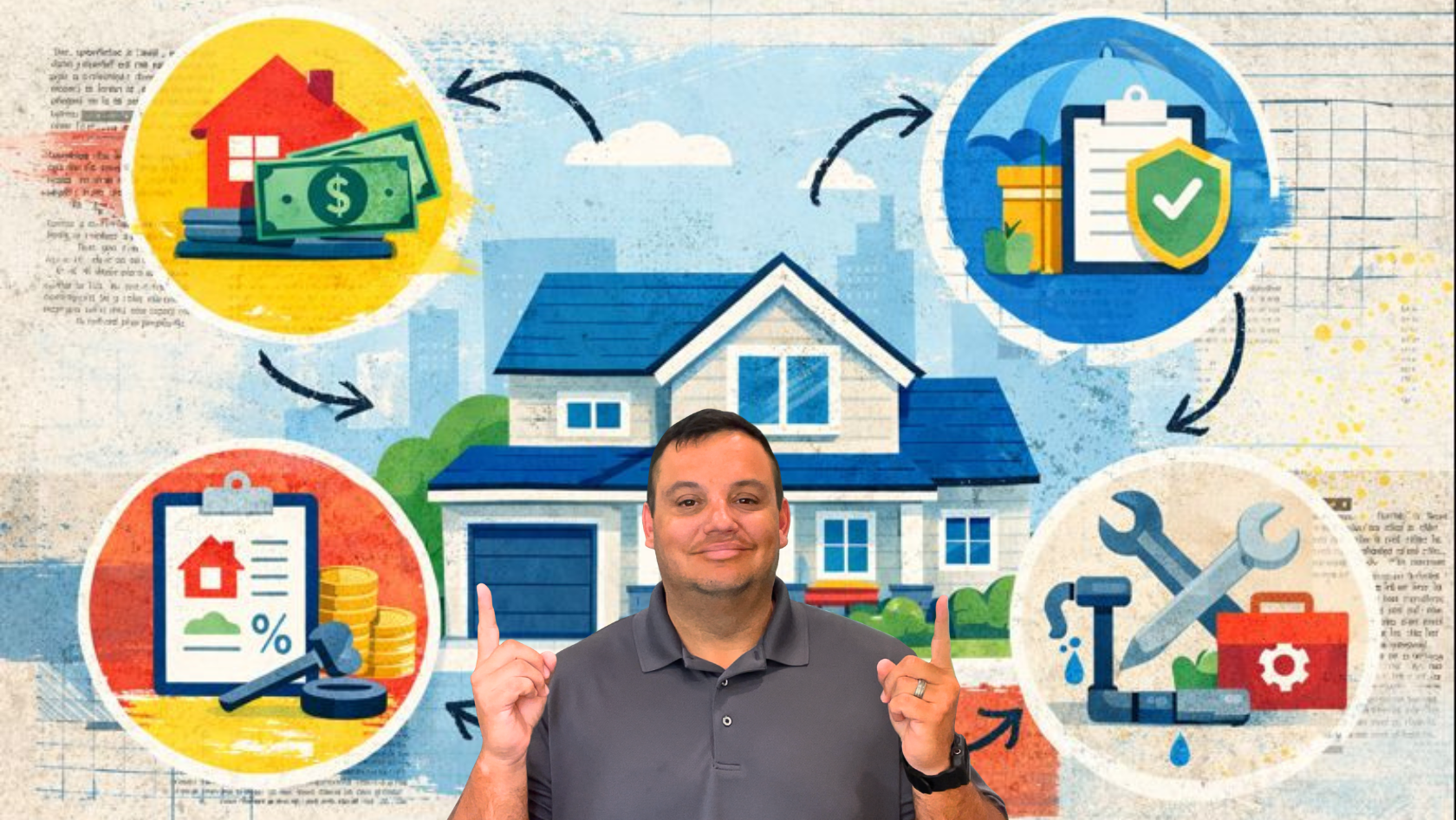
Many buyers treat their monthly mortgage payment as the final, all-inclusive number for homeownership. In reality, it's merely the starting point for your ongoing housing expenses. Once you own the home, several critical costs sit on top of your loan payment.

These ongoing costs include:

  • Homeowners Insurance: Premiums have climbed dramatically across South Louisiana since 2021, and this trend shows no signs of slowing. This is a non-negotiable expense.
  • Property Taxes: The tax bill you see on a listing is based on the current owner’s assessment. After a sale, values can reset, and your new bill may look significantly different – and often higher.
  • Maintenance and Repairs: Experts estimate that homeowners should budget roughly 2% to 4% of a home’s value each year for ongoing maintenance and unexpected repairs. This isn't just for emergencies; it covers everything from routine upkeep to major system replacements.
  • HOA Dues or Special Assessments: If your home is part of a homeowners association, you'll have monthly or annual dues, and potentially special assessments for community-wide projects.

When combined, these non-mortgage housing costs in the Baton Rouge area can easily add up to hundreds or even thousands of dollars per month, depending on the home’s age, price, and specific location. Buyers are rarely told this upfront, but when you plan for these expenses early, they become far less stressful and much more manageable.

---


Why Insurance, Taxes, and Maintenance Matter More in 2026

Some ownership costs have become less predictable in recent years, which makes proactive planning even more critical for buyers looking to purchase in 2026. Understanding these dynamics is key to avoiding financial surprises.

Let's break down why these costs demand extra attention:

  • Homeowners Insurance: Premiums across Louisiana are experiencing annual increases that often fall in the 8% to 10% range, even for owners who have never filed a claim. Factors like flood zones, the age of your roof, and the construction type of your home all play a significant role in determining your premium. Get multiple quotes early! (If you need help finding quotes, ask me about my preferred insurance partners)
  • Property Taxes: These can be a significant surprise for new homeowners. The tax bill you see on a listing is based on the current owner’s assessment*. After a sale, property values can be reassessed, and your new tax bill may look very different – often higher – than what the previous owner paid. Always factor in potential increases.
  • Maintenance: This category is usually underestimated because it isn't consistent. You might go for several years with minimal expenses, only to suddenly face a major repair when a critical system like your roof, HVAC unit, or plumbing reaches the end of its life. Setting aside funds regularly for maintenance, even when nothing is broken, is crucial.

Planning for these realities doesn't mean expecting the worst-case scenario. It means building robust financial buffers so you have options and peace of mind when something inevitably comes up. This foresight transforms potential stressors into manageable situations.

---


Preparing for Ownership, Not Just Approval

Strong financial preparation isn't about stretching your budget to the maximum payment a lender allows. Instead, it's about deliberately building breathing room into your finances. This approach ensures that you can comfortably afford your home not just on paper, but in your actual daily life.

For many smart Baton Rouge buyers, this comprehensive preparation looks like:

  • Keeping Cash Reserves: Aim to have cash reserves beyond just your down payment and closing costs. This emergency fund can cover unexpected repairs or sudden increases in insurance premiums without causing financial strain.
  • Choosing a Flexible Payment: Opt for a monthly payment that leaves genuine flexibility in your budget. Don't let your housing costs consume too large a percentage of your income, allowing room for savings, discretionary spending, and unexpected expenses.
  • Understanding Insurance and Tax Trade-offs: Before you even go under contract, research potential insurance costs and property tax implications for specific homes and neighborhoods. A slightly higher purchase price might come with lower long-term costs in certain areas.

Buyers who prepare in this thoughtful way tend to feel significantly calmer and more confident after closing, even when unexpected costs arise. They've built a financial fortress, rather than just a house of cards.

---


The Real Goal: Staying Comfortable After the Keys Are Handed Over

Buying a home is undeniably a huge milestone, representing a significant personal and financial achievement. Yet, the true win isn't just acquiring the property; it's staying financially comfortable and secure in it for years to come.

The buyers who will thrive in the Baton Rouge market in 2026 are the ones who understand the full, nuanced cost of owning a home and plan for it proactively. They make decisions with the long term in mind, prioritizing sustainable comfort over merely getting to closing day.

If you're preparing to buy a home in Baton Rouge, Livingston Parish, or Ascension Parish and want help understanding what ownership really looks like here, having a local plan and expert guidance makes all the difference. Don't leave your financial comfort to chance.

---


Frequently Asked Questions (FAQ)

Q: How much should I budget beyond my mortgage payment in Baton Rouge?

A: Most buyers should plan for significant additional costs beyond their principal and interest payment. This includes homeowners insurance, property taxes, and ongoing maintenance. The exact number varies greatly based on the home's value, age, location (e.g., flood zone), and specific insurance carrier, but it's often hundreds, if not thousands, of dollars per month more than many first expect. A good rule of thumb is to factor in at least 1-2% of the home's value annually for these combined non-mortgage costs, plus potential HOA dues.

Q: Why are homeowners insurance costs rising so dramatically in Baton Rouge and Louisiana?

A: Homeowners insurance costs are rising due to several interconnected factors. These include increased replacement costs for materials and labor, higher storm risk (especially in coastal and hurricane-prone areas like South Louisiana), the age and condition of a home's roof, and broader statewide market conditions that have led to fewer insurers and higher premiums for everyone. Even claim-free homeowners are experiencing substantial annual increases as carriers adjust their risk models and seek profitability.

Q: Do property taxes always go up after buying a home in Baton Rouge?

A: They often do, but not always immediately or dramatically. After a sale, assessed values can be reviewed and reset to reflect the current market value of the property. This can lead to a higher tax bill than what the previous owner was paying, especially if the property hadn't been reassessed in a while or if the sale price was significantly higher than the last assessed value. It's crucial to research the property's current assessed value and millage rates to estimate potential future tax liabilities.

Q: Is owning still more affordable than renting in Baton Rouge in 2026?

A: Whether owning is more affordable than renting in 2026 depends on several individual factors, including your specific financial situation, your expected timeline in the home, and your long-term goals. While ownership offers stability, potential appreciation, and tax benefits, it comes with significant upfront and ongoing costs that renting does not. For some, rising interest rates, insurance, and taxes might make renting more financially practical in the short term. For others, the long-term benefits of building equity and having a stable housing payment (excluding variable costs) will make ownership the better choice. A thorough cost comparison, including all true ownership costs, is essential to make an informed decision.

---

If you’re thinking about buying a home in the Greater Baton Rouge area and want a clear, honest picture of what ownership really costs here, working with someone who deeply understands the local market makes all the difference. Let's build your comprehensive plan for 2026 and beyond.


Get your FREE Baton Rouge Relocation Guide

Schedule a Zoom call to talk about buying or selling

Subscribe to the Living in Baton Rouge Newsletter


SHAUN  RAMOS

A Baton Rouge, Louisiana real estate agent with LPT Realty helping buyers, sellers, and relocation clients across Greater Baton Rouge, including Livingston and Ascension Parishes. Through his Living in Louisiana YouTube channel, he breaks down the local market so you can move with confidence.

MOVING TO Baton Rouge

Shaun Ramos | Louisiana Home Living | Relocation Guide

WATCH OUR VIDEOS

Share this article

Recent Posts

By Shaun Ramos March 5, 2026
COST of living in baton rouge 2026 (quick summary) Moving to Baton Rouge in 2026 offers a generally lower cost of living, typically 7-10% below the national average, primarily driven by more affordable housing. However, potential residents must factor in significantly higher homeowners and auto insurance costs, along with considerable traffic, to avoid financial surprises. --- If you're considering a move to Baton Rouge, Louisiana, in 2026, my experience shows that the overall cost of living in Baton Rouge is roughly 7 to 10% lower than the national average. This means your dollar can stretch further here, especially if you're relocating from higher-cost areas like Atlanta, Dallas, Houston, or anywhere in the Northeast or West Coast. Having helped countless individuals and families relocate to the Baton Rouge area from across the country, I've seen firsthand how crucial it is to understand the true financial landscape. Many underestimate key expenses like insurance, which can significantly impact your budget. My goal is to provide a transparent breakdown, saving you from unexpected financial surprises and helping you make a smooth transition. This comprehensive guide will walk you through real numbers for housing (rent and home prices), utilities, groceries, transportation, and those often-overlooked costs like property and flood insurance. Are you wondering how Baton Rouge compares to cities like Dallas or Atlanta? Let's dive into the specifics to help you make an informed decision. WHAT IS THE Overall Cost of Living in Baton Rouge? Baton Rouge is often touted as one of the more affordable cities in the South, and for good reason. My data indicates that the overall cost of living here is approximately 7% to 10% below the national average. However, it's not universally cheaper. While some categories offer substantial savings, others might be on par with or even exceed national averages. My aim is to highlight where you'll save and where you'll need to budget carefully. SHOULD YOU RENT OR BUY WHEN MOVING TO BATON ROUGE? Housing is typically the largest component of anyone's budget, and it's where Baton Rouge truly stands out in terms of affordability. This category alone can offer massive advantages for those relocating. Renting in Baton Rouge For renters, the average rent across the Baton Rouge area in early 2026 is approximately $1,250 a month. This average, however, can vary significantly by unit size and neighborhood. Here’s a breakdown of average rental costs: Studio Apartment: Around $900 per month One-Bedroom Apartment: $1,190 to $1,300 per month Two-Bedroom Apartment: $1,170 to $1,500 per month Three-Bedroom Apartment: Starting at $1,565 and up Location plays a huge role in rental prices. If you're seeking more budget-friendly options, neighborhoods like Park Forest or Broadmoor might offer one-bedroom apartments for less than $700 a month. Conversely, if you want to be in the heart of the action, such as South Baton Rouge or Downtown, a one-bedroom apartment could range from $1,750 to $2,200 a month. For those interested in exploring different areas, I often recommend watching videos like Most People Don’t Know This St George Neighborhood Exists | Baton Rouge Luxury Home Tour to get a feel for diverse neighborhood offerings. Buying a Home in Baton Rouge If you're looking to buy, Baton Rouge truly shines. The median home price typically ranges from $275,000 to $300,000. When you compare this to the national median price of around $400,000, you realize you get significantly more house for your money here. While you can certainly spend much more depending on the area, I've found that the sweet spot for most people relocating is between $250,000 and $350,000. This budget can secure a solid three or four-bedroom house in a desirable neighborhood. Overall, housing in Baton Rouge runs about 22% less than a national average , presenting a massive advantage for those coming from pricier markets. If you're considering homes in the mid-range, exploring options like those highlighted in Best Places to Live Near Baton Rouge for Around $500,000 could be beneficial. WHAT SHOULD YOU EXPECT WITH UTILITIES IN BATON ROUGE? This is one area that often pleasantly surprises newcomers. Utilities here tend to run about 28 to 30% lower than the national average. My monthly energy costs for a 2400 sq ft, 3-year-old house can range from $109 to $160 in cooler months. However, Louisiana's climate demands attention. From April through October, our hot and humid summers mean your air conditioning will be working hard. During these peak summer months, expect your electric bill to spike to $250-$350 a month. For example, my highest bill last year in July was $294 for a house with two AC units running almost constantly. On the flip side, winter bills are usually mild, as we don't experience prolonged brutal cold. If your home has natural gas for heating and water, your electric bill will decrease significantly in winter, while your gas bill might rise slightly. My recent gas bill, for instance, was about $100 higher than usual due to a few unseasonable cold snaps and my enjoyment of the gas fireplace. Here’s an estimate for typical monthly utility costs: Electric Bill (Average): $109-$160 (winter), $250-$350 (summer) Internet (High-Speed): $60-$80 (mine is $75 for high-speed, but options can vary) Water and Sewer: $30-$60 (can be combined or separate) Natural Gas: ~$30 (can be higher with heavy use or cold weather) Factoring in seasonality, a reasonable estimate for total monthly utility bills is between $250 and $350, which is still considerably less than what many pay across the country. ARE GROCERIES AND EATING OUT EXPENSIVE IN BATON ROUGE? When it comes to groceries and everyday costs, Baton Rouge is fairly consistent with the national average, running about 3% lower. This means you won't see massive savings, but you won't be overspending either. For a single person, I estimate a monthly grocery bill of $350-$450. For a family of four, like mine, we typically spend $1,200-$1,500 a month—teenage appetites are truly something else! One significant perk for food lovers is Baton Rouge's incredible dining scene. The city offers phenomenal restaurants, and because the overall cost of living is manageable, you can enjoy a nice meal out without breaking the bank. You'll find popular grocery stores like Walmart, Target, Whole Foods, and Trader Joe's, alongside local favorites like Ralph's, with prices generally in line with what you're used to. And for seafood enthusiasts, Baton Rouge is a paradise. Fresh Louisiana shrimp, crawfish (in season), and catfish are readily available and much cheaper than almost anywhere else in the country. HOW IS TRAFFIC AND TRANSPORTATION IN BATON ROUGE? Baton Rouge is undeniably a driving city. Public transit is limited, so most residents own one or more cars. The good news is that transportation costs here are about 10% lower than the national average. I've recently seen gas prices ranging from $2.15 to $2.50 a gallon, which certainly helps the budget. However, the trade-off is traffic. Baton Rouge consistently ranks among the worst cities for traffic congestion per capita. The I-10 and I-12 corridors, in particular, can be brutal during rush hour. If you're commuting daily from suburbs like Zachary, Denham Springs, or Prairieville, you absolutely need to factor in commute times, which can sometimes stretch to 45 minutes to an hour each way. My advice to relocating clients is always: don't just look at the price of a home; consider its proximity to your workplace. A cheaper house might cost you an hour of your day, every day. For budgeting, plan on $150-$250 a month for gas and routine car expenses, depending on your commute. Now, for auto insurance, Louisiana is one of the more expensive states due to high accident rates and litigation. You can't drive down an interstate without seeing billboards for injury lawyers. For a single driver, budget about $150-$200 a month. In my household, with three drivers (one being a teenager) and three vehicles, we pay around $2,000 every six months. WHAT HIDDEN COSTS SHOULD YOU EXPECT WHEN MOVING TO BATON ROUGE? This section is crucial because these are the costs that often blindside people relocating to Baton Rouge. Understanding them upfront can save you thousands. Property Taxes in East Baton Rouge Parish I have some good news here: Baton Rouge has some of the lowest property taxes in the country. The effective tax rate in East Baton Rouge Parish typically ranges between 0.64% and 0.9%, compared to the national average of 1.02%. The average homeowner here usually pays between $1,600 and $1,900 per year, a significant saving compared to the national average of $3,200 annually. For context, my 2400 sq ft, newer home on 2 acres has a property tax bill just under $4,000 a year, so it can vary. Louisiana's homestead exemption is a valuable benefit, exempting the first $75,000 of your primary residence's value from taxes, which can save you $750-$800 per year. You only need to file for it once. It's important to note that in 2025, many homeowners within Baton Rouge city limits saw tax increases due to a fire department mill approved in 2024. Before committing to any house, I always recommend getting an accurate tax estimate from the title company or tax assessor's office, as the bill will be reassessed upon sale. Homeowners and Flood Insurance This is where you need to pay close attention, as insurance costs tend to surprise many relocating individuals. The average homeowner's insurance premium in Baton Rouge runs from about $2,440 to $3,673 per year, which is roughly $200-$300 per month. This is more expensive than the national average of $2,100 per year, primarily due to hurricane risk, flooding history, and insurance companies pulling out of the state after recent storm seasons. This is a critical factor to understand, particularly if you're comparing Baton Rouge to cities where insurance might be less of a concern. You might find more details on regional housing costs and related expenses in Luxury Like This in a Baton Rouge Suburb? | 19 Acres + 60x80 Shop in Walker, LA , which touches on properties in surrounding areas. Crucially, standard homeowners insurance does not cover flooding. You need a separate flood insurance policy. Depending on the flood zone, this can range from $400-$500 a year to over $3,000 annually. My strong advice is to confirm the flood zone of any house you're interested in before you fall in love with it. Most of my clients prefer homes in Flood Zone X, where flood insurance is not required. East Baton Rouge Parish achieving Class 6 status in FEMA's Community Rating System did provide homeowners a 20% discount on flood insurance premiums, which is a significant help. Ultimately, make sure you budget at least $3 to $5,000 a year for your homeowners and flood insurance combined , even if flood insurance isn't mandated. WHAT CAN YOU EXPECT FOR A MONTHLY BUDGET IN BATON ROUGE? Let’s consolidate these numbers to provide a realistic monthly budget snapshot for 2026. For a Single Renter: Rent: $1,250 (average) Utilities: $250-$350 Groceries: $350-$450 Transportation (Gas & Auto Insurance): $300-$450 Total Estimated Monthly Budget: $2,150 - $2,500 For a Homeowner (Family of Four): Mortgage (P&I, Taxes, Insurance factored in): Varies greatly, but for a $300,000 home with property taxes ($200/month) and combined insurance ($400/month), P&I could be around $1,800-$2,000 (assuming 7% interest and 20% down). This would make the total housing payment around $2,400-$2,600. Utilities: $350-$450 (factoring in summer spikes) Groceries: $1,200-$1,500 Transportation (Gas & Auto Insurance for multiple drivers): $500-$700 Total Estimated Monthly Budget: $4,450 - $5,250 While these numbers can seem substantial, remember that in comparable cities like Atlanta, Dallas, Austin, or Nashville, you'd likely be paying significantly more for a similar quality of life. This demonstrates that living in Baton Rouge can indeed offer a substantial financial advantage. Key Takeaways Housing Affordability: Baton Rouge's median home price is $275,000-$300,000, which is approximately 22% less than the national median, offering significant savings for buyers. Low Property Taxes: East Baton Rouge Parish boasts some of the lowest property taxes in the country, with an effective rate of 0.64%-0.9% and a homestead exemption saving homeowners $750-$800 annually. High Insurance Costs: Homeowners insurance averages $2,440-$3,673 per year, and separate flood insurance (potentially $400-$3,000+ annually) is crucial, making combined insurance a significant budget item (budget $3,000-$5,000 per year). Utility Savings: Overall utility costs are 28-30% lower than the national average, though summer electric bills can spike to $250-$350 due to intense heat and humidity. Traffic Challenges: Despite lower gas prices (around $2.15-$2.50/gallon), Baton Rouge experiences significant traffic congestion, especially on I-10 and I-12, requiring careful consideration of commute times when choosing a home location. Frequently Asked Questions (FAQ) Q: How does Baton Rouge's overall cost of living compare to other Southern cities like Atlanta or Dallas? A: Based on my analysis, Baton Rouge generally offers a 7-10% lower cost of living compared to the national average. When stacked against larger Southern cities like Atlanta, Dallas, or Houston, Baton Rouge typically provides more affordable housing and lower overall utility costs, making your dollar stretch further, especially for homeowners. However, higher insurance premiums in Louisiana are a key differentiator. Q: What are the primary factors contributing to higher insurance costs in Baton Rouge? A: The main reasons for higher homeowners and auto insurance costs in Baton Rouge are Louisiana's hurricane risk, historical flooding, and a challenging legal environment that contributes to high accident rates and litigation. Following back-to-back storm seasons, many insurance companies have also pulled out of the state, limiting competition and driving up premiums. Q: Is it better to rent or buy a home when first moving to Baton Rouge? A: This depends entirely on your personal situation, budget, and long-term goals. Renting first can offer flexibility to explore neighborhoods and understand the local market without the immediate commitment of homeownership. However, with Baton Rouge's median home prices significantly lower than the national average, buying can offer substantial long-term value and wealth building. I often discuss this with clients to help them weigh their options based on their specific needs. Q: How does the homestead exemption benefit homeowners in Baton Rouge? A: Louisiana's homestead exemption is a significant financial benefit for homeowners in Baton Rouge. It exempts the first $75,000 of your primary residence's assessed value from property taxes. This alone can save a homeowner between $750 and $800 annually on their property tax bill. It's a one-time filing requirement and doesn't need to be renewed each year. Q: What are the most affordable neighborhoods for renters in Baton Rouge? A: If you're looking for more budget-friendly rental options in Baton Rouge, neighborhoods like Park Forest and Broadmoor are good places to start. In these areas, you may find one-bedroom apartments for less than $700 a month. However, it's always important to visit these areas and ensure they meet your lifestyle and safety preferences. --- Watch the Full Video For more insights, watch the complete video: Cost of Living in Baton Rouge 2026 (REAL Numbers Before You Move) --- HOW CAN YOU MAKE Your Move TO THE BATON ROUGE AREA Easier? Moving forward does not have to be overwhelming. With the right guidance and support, you can navigate this journey smoothly. I am ready to help you every step of the way.  💻 YouTube: Living in Baton Rouge with Shaun Ramos 📥 Get Your FREE Baton Rouge Relocation Guide: https://livinginbatonrouge.com/relocation-guide-yt 📧 Subscribe to my Living in Baton Rouge Newsletter: https://newsletter.livinginbatonrouge.com/ 💻 Schedule a zoom call: https://zoom.louisianahomeliving.com ⌨️ Start the process online: https://livinginbatonrouge.com/connect 🏠 Search for homes around Baton Rouge: https://livinginbatonrouge.com/buy#SearchForHomes Follow me on social: https://www.facebook.com/theshaunramos https://www.instagram.com/theshaunramos/ https://www.tiktok.com/@theshaunramos
Patriot's RV Resort coming soon to Livingston Parish, Louisiana
By Shaun Ramos February 25, 2026
Discover Patriots RV Resort, opening May 22 in Livingston Parish. Enjoy water slides, cabins, and RV sites for a family-friendly, close-to-home vacation experience.
Materra subdivision in St. George, Louisiana (Baton Rouge)
By Shaun Ramos February 23, 2026
Explore Materra, a premier new construction community in St. George, LA. Find modern homes starting in the $380s, top schools, and resort-style amenities.
READ MORE BLOGS