The phrase most affordable neighborhoods in Baton Rouge is the question I get asked most. If your budget sits in the mid 200s, the 300s, or the low 400s, there are real options that balance price, location, and lifestyle. This guide breaks down what to expect at each price point, highlights neighborhoods worth touring, and points out practical perks like nearby parks, schools, and shopping that matter when choosing among the most affordable neighborhoods in Baton Rouge.
Table of Contents
- Introduction
- Price band: the 400s — comfort, newer construction, and condos near LSU
- Price band: the 300s — new builds and revamped mid-century homes
- Price band: the 200s — true affordability and older neighborhoods with upside
- How to prioritize neighborhoods in Baton Rouge
- Practical tips for buying in Baton Rouge
- FAQ abouts Baton Rouge affordable neighborhoods
- Final thoughts
Introduction
This piece looks at listings by price band: the 400s, the 300s, and the 200s. I walk the market the same way I do in the video — jumping into the MLS to see how many active listings exist in each band, then switching to Google Maps to tour the neighborhood footprint and nearby amenities. That approach helps show not just list prices but real context: commute corridors, grocery and shopping access, parks and recreation, schools, and the kinds of day‑to‑day conveniences that make a neighborhood livable.
Across these price bands you’ll see different product types — newer single‑family homes and gated sections in the 400s, a mix of new builds and updated mid‑century homes in the 300s, and entry‑level single‑family homes, townhomes, and renovation opportunities in the 200s. I point out builder incentives, typical square footage ranges, proximity to things like LSU and Tiger Stadium, and practical tradeoffs such as yard maintenance versus low‑maintenance condos. For each neighborhood I cover what kinds of homes you’ll find, typical square footage, nearby amenities, and why the neighborhood is worth considering among the most affordable neighborhoods in Baton Rouge.
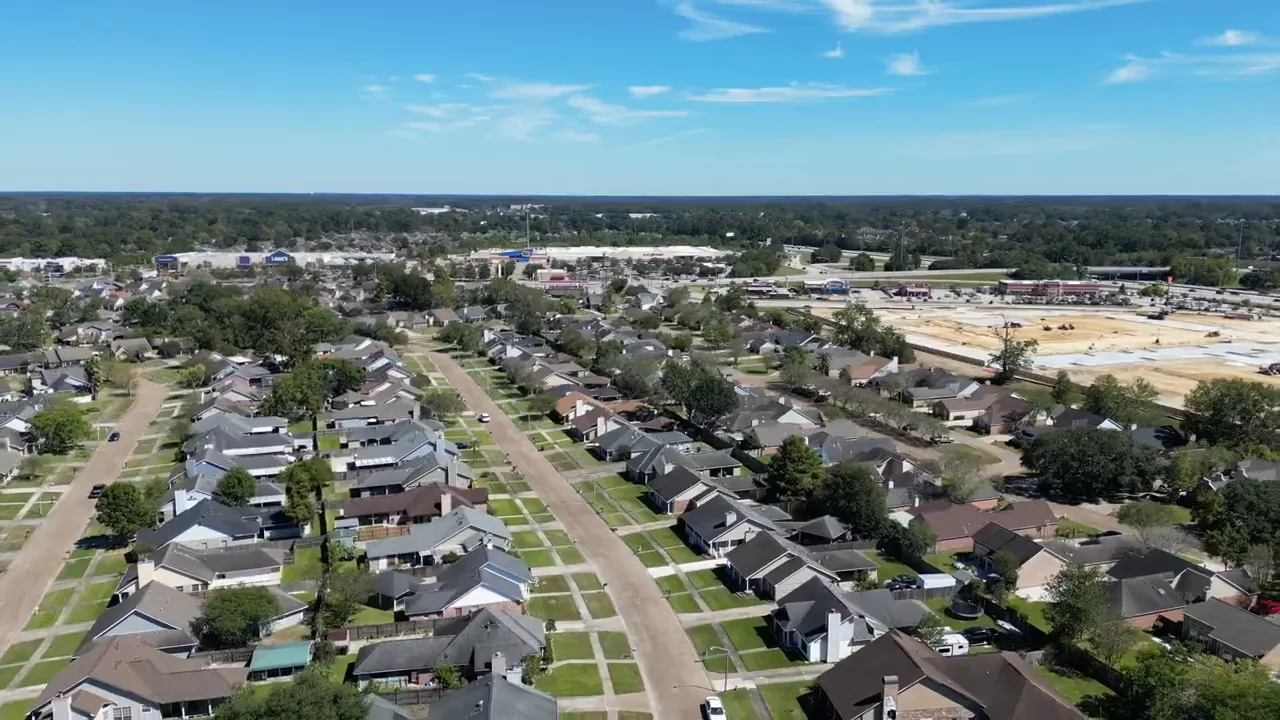
Price band: the 400s — comfort, newer construction, and condos near LSU
If your search is in the high 300s to the 400s you get more choices and newer homes. The city currently has a solid number of active listings in this band, and several neighborhoods stand out for value and convenience among the most affordable neighborhoods in Baton Rouge.
Audubon Park — newer homes, family-friendly streets
Audubon Park is a compact subdivision of mostly newer builds. Homes listed in the 400s here tend to be three-bedroom, two- to three-bath homes built within the last decade. Expect modern layouts and low maintenance yards compared to older in-town properties.
Why Audubon Park works: it sits between Jones Creek and Hickory Ridge Boulevard so you are never far from shopping and dining. Nearby highlights include a regional library, a movie theater, and grocery options like Hi Nabor and Albertsons. If you want an easy commute to Perkins Road or the Mall of Louisiana, this neighborhood keeps you centrally located.
Water's Edge at Lexington Estates — gated new construction with park access
Water's Edge is a gated section inside Lexington Estates with brand new construction in the 400s. These homes are attractive if you want modern finishes, a community feel, and proximity to big parks and golf amenities.
Perks include quick drives to L’Auberge Casino, University Club golf course, and Highland Road Community Park. Highland Road has boat launches, walking trails, an observatory, splash pads, and tennis and pickleball courts. For buyers prioritizing outdoor recreation, Water's Edge is an excellent pick among the most affordable neighborhoods in Baton Rouge.
The Crescent at University Lake — condos near LSU and Milford Wampold Park
If you want a low-maintenance option in the 400s, condos at the Crescent around University Lake give you a resort-style pool, an on-site gym, and lakeside walking trails. Units run from roughly 1,400 to 1,500 square feet with one- and two-bedroom floor plans.
The Crescent is a short bike ride to Tiger Stadium and puts you close to LSU, Mid City, and downtown. With Trader Joe’s and Sprouts nearby, the Crescent appeals to buyers who want walkability and a compact lifestyle without yard work.
Price band: the 300s — new builds and revamped mid-century homes
Moving down into the 300s opens up more inventory and diversity. The 300s often mix new construction subdivisions and older neighborhoods with updated or remodel-ready homes. These neighborhoods rank highly among the most affordable neighborhoods in Baton Rouge because they balance price with amenities.
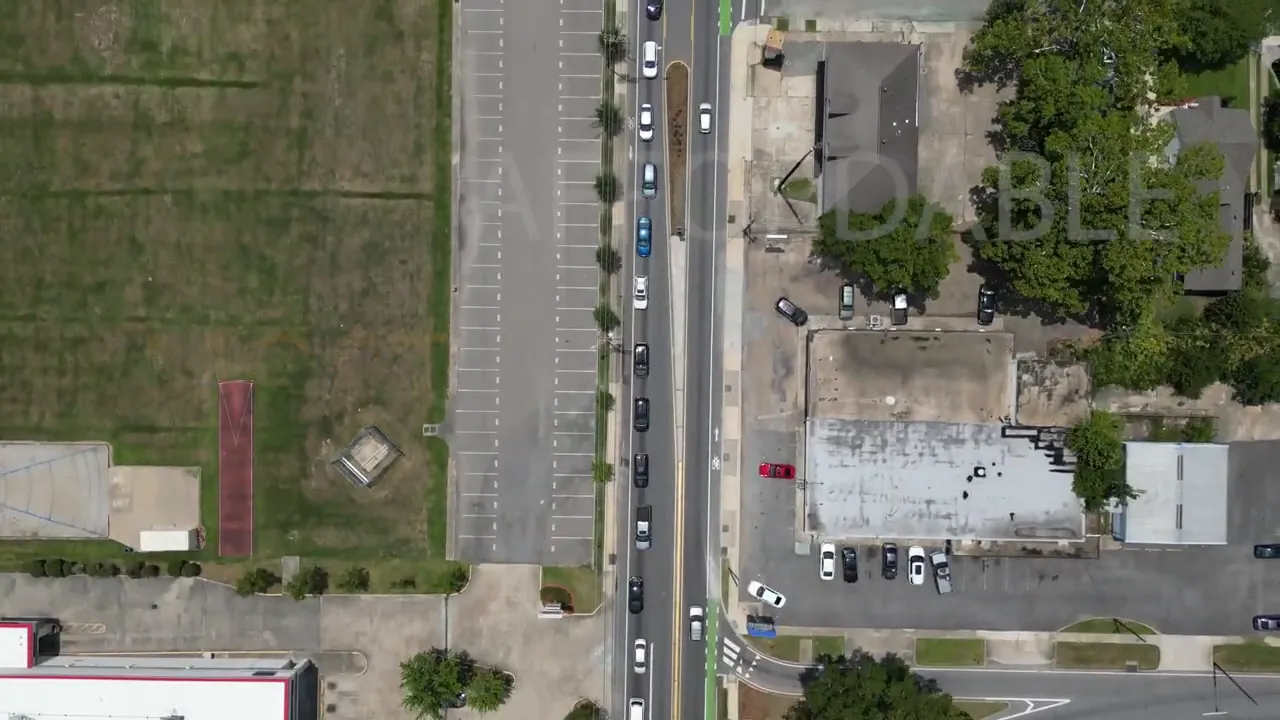
Heron Point — new construction by national builders
Heron Point is new construction by DR Horton with multiple available plans in the mid 300s. Typical options are four-bedroom layouts at around 1,900 to 2,200 square feet. Incentives from builders can make these even more affordable — closing-cost contributions and upgrade allowances change frequently, so it pays to ask.
Location-wise, Heron Point sits near Airline Highway and Siegen Lane corridors, offering easy access to big-box stores, restaurants, and entertainment like Topgolf and Golf Suites. For value buyers seeking new construction in the 300s, Heron Point is a smart spot.
Capitol Heights — mid-century homes with a trendier neighborhood vibe
Capitol Heights sits in Mid City South, close to Government Street. Houses in the 300s here are older — many mid-century homes and bungalows — some remodeled and some ready for updates. Square footage varies, typically from the mid 1,300s up to around 2,100 square feet.
Capitol Heights is walking distance to restaurants, breweries, private schools like Catholic High and St. Joseph’s Academy, and City-Brooks Community Park. If you prefer a neighborhood with character and a short commute into downtown, Capitol Heights belongs on your shortlist of the most affordable neighborhoods in Baton Rouge.
Materra — family-friendly subdivisions with nearby schools and services
Materra is a newer subdivision with two- and three-bedroom homes in the 300s. One strong selling point is the presence of a tuition-free BASIS Baton Rouge Materra campus within the neighborhood, which serves kindergarten through ninth grade. There is also a women’s hospital nearby — something expectant families find reassuring.
Close proximity to Siegen Lane amenities, movie theaters, and trampoline parks makes Materra practical for families who need both convenience and community.
Price band: the 200s — true affordability and older neighborhoods with upside
The 200s offer the widest inventory among the most affordable neighborhoods in Baton Rouge. At these price points you will see a mix: older homes that may need renovation, new townhome developments, and entry-level single-family homes. If you are comfortable doing some cosmetic work, the 200s deliver great value.
Broadmoor — established schools and convenient shopping
Broadmoor covers a large area from Florida Boulevard to Airline Highway and includes neighborhoods with prices in the 200s. You can find three- to five-bedroom homes in this band. Many of these houses are older and may need updating, but the location is strong: Broadmoor High School, Audubon Elementary, and nearby shopping centers make it practical for families.
Chapel Hill — affordable townhomes and builder incentives
Chapel Hill presents new construction townhomes in the 200s, generally around 1,400 square feet with two- and three-bedroom plans. Builders sometimes offer up to $8,000 toward closing costs when using their title company, which can make the net cost even more attractive for buyers on a tight budget.
Chapel Hill is close to Forest Community Park, which offers ball fields, a dog park, walking trails, and splash pads — a real plus for families wanting outdoor amenities without leaving the neighborhood.
Shenandoah — established residential area with nearby retail and parks
Shenandoah sits near Jones Creek and offers homes in the 230k to 275k range. Expect a variety of floor plans; many homes are older but within well-established neighborhood boundaries. The neighborhood benefits from Antioch Boulevard Park and easy access to Siegen Lane shopping and dining.
Pelican Lakes — new subdivisions with access to larger recreational complexes
Pelican Lakes features a larger cluster of new DR Horton homes in the 200s. Prices here tend to be in the upper 200s, with homes between roughly 1,400 and 1,600 square feet. Builder incentives may include substantial allowances for upgrades or closing costs if you use their preferred lender and title company.
Nearby Traction Sports Complex and Perkins Road Community Park give athletes and outdoor families plenty of options, from tournament fields to a skate park and velodrome. The neighborhood is also a short drive to many beloved local restaurants on Bluebonnet and Perkins Road.
LSU-area attached homes — high-value townhomes near campus
There are some attached single-family homes and townhomes in the high 200s, technically listed in the 200s but hovering near 300k. These 1,830 square foot, three-bedroom units are attractive for families with LSU students or investors seeking rental income. Location near Burbank and Lee Drive places you within minutes of campus and the Highlands/Perkins corridor.
If you want to combine affordability with rental potential, these townhomes near LSU are one of the few places that blend both, making them stand out among the most affordable neighborhoods in Baton Rouge.

How to prioritize neighborhoods in Baton Rouge
When narrowing your search among the most affordable neighborhoods in Baton Rouge, prioritize these things:
- Commute time — pick a realistic drive time to work or school and compare neighborhoods within that radius.
- Schools and childcare — public, charter, and private schools vary by neighborhood; proximity matters for families.
- Amenities — parks, gyms, grocery stores, and restaurants affect long-term satisfaction and resale value.
- Property condition — older homes in the 200s can be great deals if you are ready to update; new construction comes with fewer surprises but less opportunity to customize.
- Builder incentives — if you are considering a new home, ask about current incentives. They can add thousands in value.
Practical tips for buying in Baton Rouge
Whether you are looking at the 400s, 300s, or 200s, these practical tips help you make a confident decision:
- Get pre-approved before touring. Sellers and builders respond faster when buyers are pre-approved.
- Compare similar homes across neighborhoods. Square footage, lot size, and age will influence price and long-term maintenance.
- Ask about utility costs and flood zones. Some neighborhoods have higher insurance or maintenance costs that affect affordability.
- Factor in commute and lifestyle costs. A lower mortgage payment can be offset by higher transportation expenses if you choose a more remote location.
- Work with a local agent who knows current builder incentives and inventory. This knowledge can save you thousands.
Ready to tour homes or want a custom list of neighborhoods that match your budget and lifestyle? I can help — from pulling current MLS inventory and builder incentives to booking showings and walking you through offers.
Reach out anytime: (225) 347-0789(call/text) or info@louisianahomeliving.com.
Tell me your price range, commute tolerance, and must-haves and I’ll send neighborhood matches and current listings you won’t find with a generic search. If you prefer, I can also set up neighborhood tours tailored to your schedule — reach out and let’s get started.
FAQ abouts Baton Rouge affordable neighborhoods
Which neighborhoods are currently among the most affordable neighborhoods in Baton Rouge for buyers on a budget?
Broadmoor, Shenandoah, Pelican Lakes, and some new townhome developments near LSU consistently show up as affordable options. The 200s offer the broadest selection for budget-conscious buyers.
Can I buy new construction within the 300s and 200s price bands in Baton Rouge?
Yes. Builders like DR Horton have models in both the 300s and upper 200s. Incentives such as closing-cost assistance or upgrade allowances are common and can make new construction affordable even in tighter budgets.
Are there good family-friendly options among the most affordable neighborhoods in Baton Rouge?
Yes. Neighborhoods like Water's Edge, Materra, Heron Point, and Broadmoor have nearby parks, schools, and family amenities. Look for communities with playgrounds, community pools, and easy access to schools.
What should I watch for when buying an older home in the 200s?
Pay attention to roof age, HVAC, electrical systems, and potential flood risk. A comprehensive home inspection will identify major issues. Older homes can offer value but plan for renovation budgets.
How can I get the best deal from builders?
Ask about current incentives, preferred lenders, and title companies. Builders often offer allowances if buyers use their financing and close with their title company. Timing and demand influence how much incentive a builder will provide.
Are there options near LSU that are affordable for parents who want to be close to campus?
Yes. There are new townhomes and attached single-family homes near Burbank and Lee Drive that are priced in the high 200s to low 300s and offer proximity to campus and amenities for student life or rental potential.
Final thoughts
The list of the most affordable neighborhoods in Baton Rouge is broad because the city offers a variety of price points that meet different priorities. If you want new construction and gated communities, the 400s and 300s have solid options. If your budget is tighter, the 200s yield the most inventory and the best potential for value through renovation or builder incentives.
Neighborhoods mentioned — Audubon Park, Water's Edge at Lexington Estates, the Crescent at University Lake, Heron Point, Capitol Heights, Materra, Broadmoor, Chapel Hill, Shenandoah, Pelican Lakes, and the LSU-area townhomes — represent a cross-section of what buyers typically consider when searching for the most affordable neighborhoods in Baton Rouge.
If you are actively house hunting, use this guide as a starting point to prioritize neighborhoods, track builder incentives, and decide whether you want new construction, a condo, or a renovation project. The market moves, and having a clear list of priorities will help you find a home that fits both your budget and your lifestyle.