8 Things Nobody Tells You About Moving to Baton Rouge
TL;DR
Thinking about moving to Baton Rouge, Louisiana? There is a lot to like about living here, but there are also a few things you need to understand before you start house hunting. Baton Rouge has great food, LSU energy, affordable housing compared to many larger metros, strong suburban communities, and a culture that feels different from almost anywhere else. But you also need to know the truth about crime by area, flood insurance, summer heat, traffic on the Mississippi River bridge, school zones, homeowners insurance, flood zone accuracy, and what daily life really feels like in South Louisiana.
Table of Contents
- Is Baton Rouge Safe?
- What Does Flood Insurance Cost in Baton Rouge?
- What Is the Weather Really Like in Baton Rouge?
- How Bad Is Baton Rouge Traffic?
- How Are the Schools in Baton Rouge and the Surrounding Areas?
- What Is the Real Cost of Living in Baton Rouge?
- Can You Trust Online Flood Zone Information?
- What Is the Culture Like in Baton Rouge?
- Final Thoughts on Moving to Baton Rouge
- Frequently Asked Questions
- Contact Shaun Ramos
Watch the Video
📺 Watch the full video here:
https://www.youtube.com/watch?v=1pvUP_MZfT0
Moving to Baton Rouge can be a great decision, but it is not the kind of move where you want to rely only on national websites, random rankings, or generic relocation articles.
Baton Rouge is not one simple market. It is a collection of very different neighborhoods, suburbs, school systems, flood zones, commute patterns, and lifestyles. Two homes can be ten minutes apart and offer completely different day-to-day experiences.
That is why I made this guide. I work with families relocating to Baton Rouge and the surrounding areas all the time, and these are the questions that come up over and over again. Some of them are obvious, like safety and schools. Others catch people off guard, like flood insurance, utility bills, and how much the Mississippi River bridge can affect your daily life.
Here are 8 things nobody tells you about moving to Baton Rouge.
1. Is Baton Rouge Safe?
The honest answer is this: it depends heavily on where you are.
Baton Rouge does have real crime concerns. If you look at overall crime statistics for the city without any context, the numbers can look rough. But that does not tell the full story.
Most families I work with are not looking at every part of Baton Rouge equally. They are usually considering specific neighborhoods or nearby communities like Zachary, Central, Prairieville, Gonzales, Denham Springs, Watson, Walker, or other areas around Greater Baton Rouge.
The important thing to understand is that Baton Rouge is not one uniform place. Different neighborhoods and surrounding communities can feel completely different.
Some areas are more urban. Some are suburban. Some are more rural. Some are closer to LSU, downtown, hospitals, restaurants, and major employers. Others offer larger lots, newer homes, and a quieter pace.
As a Realtor, I cannot legally tell you which neighborhoods are “safe” or “unsafe,” but I can help you understand how to research crime data, commute patterns, school zones, flood zones, and local lifestyle factors so you can decide what fits your comfort level.
A helpful starting point is to search for a Baton Rouge crime map and review the data yourself. Crime heat maps can give you a better visual understanding of how different parts of the area compare.
The biggest takeaway: do not judge the entire Baton Rouge area from broad citywide statistics. You need to look neighborhood by neighborhood and community by community.
2. What Does Flood Insurance Cost in Baton Rouge?
Flood insurance is one of the biggest surprises for people moving to the Baton Rouge area.
Not every home requires flood insurance, but if it does, the cost can affect your monthly payment in a real way.
A home can require flood insurance even if it has never flooded before. That is the part that catches buyers off guard. The requirement is usually tied to the property’s flood zone, lender requirements, and flood risk, not just the home’s personal flood history.
For example, a property may have made it through the 2016 flood without water, but still require flood insurance today. Depending on the property, flood insurance could add a meaningful amount to the monthly cost of owning the home.
That is why I always recommend getting a flood insurance quote early, not after you have already fallen in love with the house.
If you are considering a home that requires flood insurance, you need to know that number before you get too far into the process. A flood quote can change the way you feel about the payment, the budget, and the overall value of the property.
This is also one of the reasons working with a local agent matters. A national search website may show you the house, but it will not walk you through the real monthly cost, flood insurance considerations, or local insurance contacts who can help get accurate quotes early.
3. What Is the Weather Really Like in Baton Rouge?
Baton Rouge is hot. There is no point sugarcoating that.
If you are moving from the Midwest, Northwest, Northeast, or anywhere with milder summers, South Louisiana summer heat can be a serious adjustment.
During the summer, it is common to see heat indexes around 105 to 110 degrees. Summer weather also starts earlier and lasts longer than many people expect. Technically, summer begins in late June, but in Baton Rouge, you can start feeling summer-type heat in May, and it can continue into October.
Air conditioning is not optional here. It is part of daily life.
The tradeoff is that Baton Rouge winters are usually very mild. From roughly November through March, you can get plenty of days in the 60s and 70s. While much of the country is dealing with snow, ice, and freezing temperatures, people here are grilling outside, going to LSU games, attending festivals, or spending time outdoors.
So the weather tradeoff is pretty simple: If you can handle the summer heat, the rest of the year can be really enjoyable.
4. How Bad Is Baton Rouge Traffic?
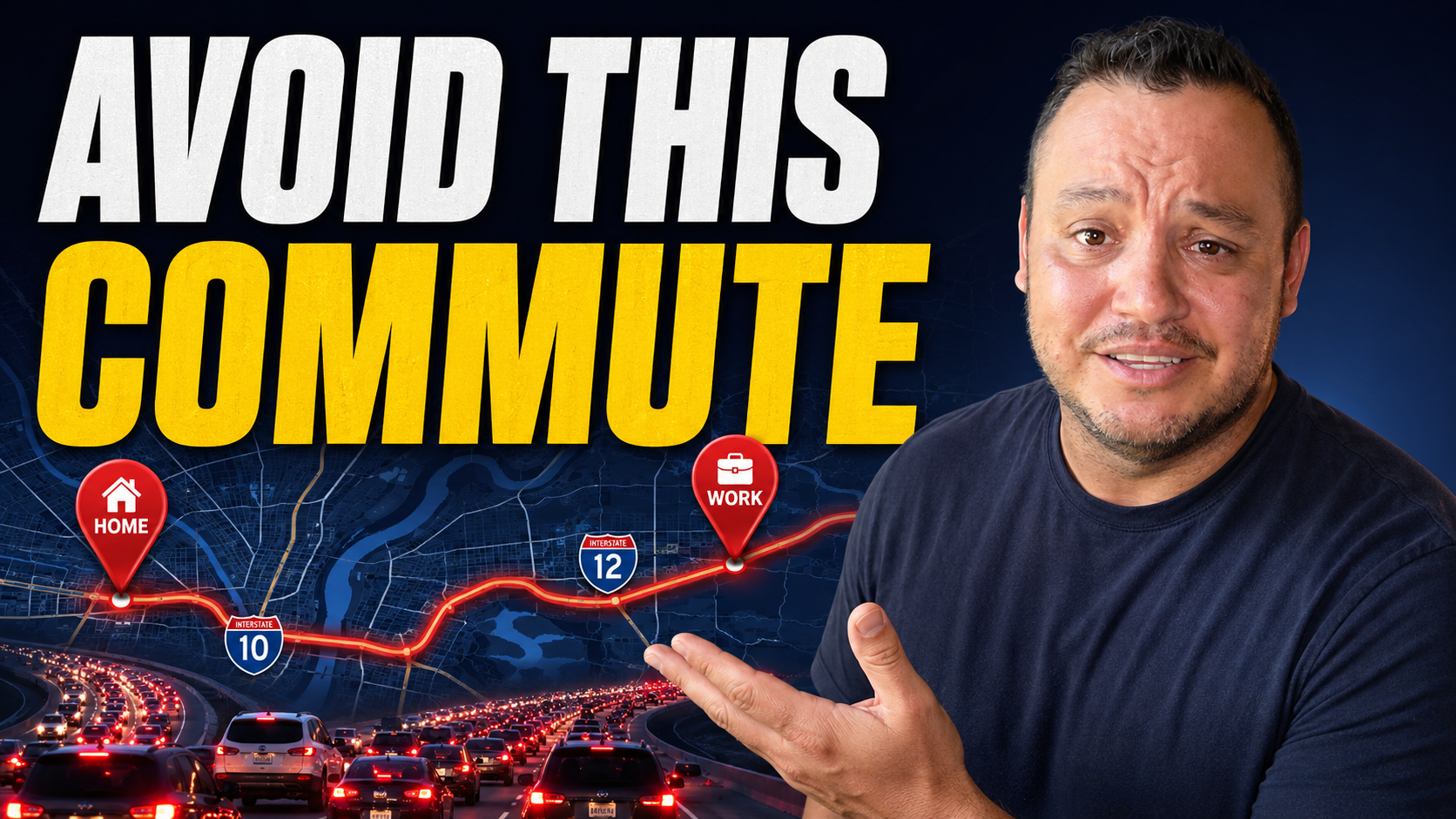
Baton Rouge traffic is not just about distance. It is about where you live, where you work, what time you commute, and whether you have to cross the Mississippi River.
The I-10 Mississippi River Bridge is one of the biggest daily frustrations for locals who have to cross it regularly.
If there is an accident, stalled vehicle, lane closure, or major delay, traffic can back up quickly. A commute that looks reasonable on a map can feel completely different in real life.
This matters a lot if you are looking at homes on one side of the river but working on the other side. A neighborhood might look perfect online, but if the commute adds stress to your life every day, that is a major quality-of-life issue.
There is also the “old bridge” farther north, which may work better depending on where you live and where you are going.
There has also been discussion for years about additional bridge options and major traffic improvements, but buyers should make decisions based on what exists now, not what may happen years down the road.
My advice is simple: factor your commute into your home search from the beginning.
If possible, drive the commute during the actual times you would be traveling. Do not just rely on a Saturday afternoon map search. That is not real life.
5. How Are the Schools in Baton Rouge and the Surrounding Areas?
Schools are a major factor for families moving to Baton Rouge, but they also matter for resale value even if you do not have school-aged children.
East Baton Rouge Parish has a mixed school situation. There are strong schools in the system, but they are not evenly distributed. The school zone attached to a home can vary significantly depending on the exact location.
That is why you should never look at a house without also checking the assigned school zone.
Many families moving to the area also consider nearby communities like Zachary, Central, Watson, Prairieville, Geismar, Denham Springs, and other suburbs because of school options and overall lifestyle fit.
Some families choose Baton Rouge proper and go the private school route. There are several well-known private school options in the area, which is common for many Baton Rouge families.
The St. George area is also worth watching. St. George became Louisiana’s newest city, and the school district conversation continues to be a major topic locally. If schools are a key part of your move, make sure you are looking at the most current information before making a decision.
For school research, Niche.com, GreatSchools, school district websites, and direct conversations with local families can all be useful. Just remember that school ratings are only one piece of the decision. Commute, lifestyle, budget, and long-term resale should all be part of the conversation.
6. What Is the Real Cost of Living in Baton Rouge?
On paper, Baton Rouge can look very affordable compared to many larger metro areas.
Housing prices are generally lower than many major cities, and property taxes are often more reasonable than what buyers from other states may be used to.
But you need to look at the full picture.
The costs that often surprise people are:
- Homeowners insurance
- Flood insurance, if required
- Summer utility bills
- Maintenance on older homes
- Commute costs
- HOA dues in some newer neighborhoods
Homeowners insurance in Louisiana can be expensive, and that is separate from flood insurance. This is one of the biggest budget items buyers need to understand before moving here.
Utilities can also be higher in the summer because your air conditioner may run heavily for months. Newer, energy-efficient homes can help, but older homes may see much higher summer electric bills.
That does not mean Baton Rouge is a bad value. In fact, compared to many large metro areas, the overall cost of living can still be attractive.
But you need to budget for the real monthly cost, not just the purchase price.
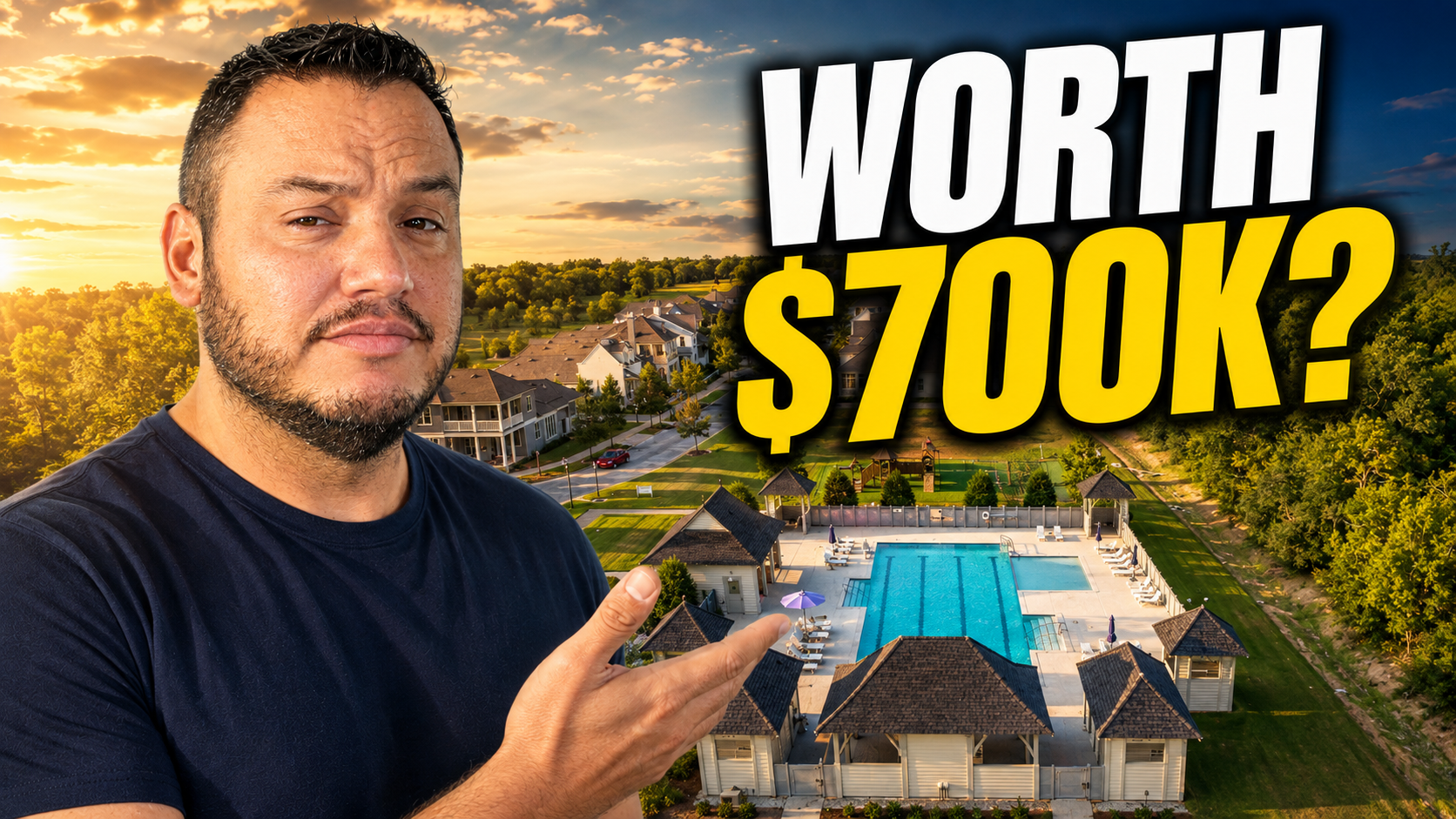
A $400,000 or $500,000 home in Baton Rouge may look very affordable compared to another city, but the insurance, flood insurance, utility costs, and commute all need to be part of your decision.
7. Can You Trust Online Flood Zone Information?
Be careful with flood zone information on big real estate websites.
Websites like Zillow, Realtor.com, and even some MLS displays can sometimes show flood zone information that is incomplete, outdated, or not perfectly accurate.
This matters because flood zone information can affect:
- Whether your lender requires flood insurance
- What your flood insurance may cost
- How comfortable you feel with the property
- Resale considerations later
FEMA’s Risk Rating 2.0 changed how flood insurance premiums are calculated. Flood insurance pricing now considers more property-specific risk factors instead of relying only on older flood zone methods.
Elevation certificates are no longer required in the same way they used to be, but in some cases, they may still help provide more accurate elevation information and could potentially help with pricing.
The practical point is this: do not blindly trust generic flood zone information online.
If you are seriously considering a property, verify the flood zone and get a real flood insurance quote early. This is especially important in South Louisiana, where flood risk can vary dramatically from one property to another.
8. What Is the Culture Like in Baton Rouge?
This is the good part.
Baton Rouge has challenges, but the culture here is hard to replicate.
The food alone is a major part of the lifestyle. Crawfish boils, gumbo, boudin, po-boys, jambalaya, seafood, tailgates, family cookouts, and local restaurants are not just “things to try.” Food is part of how people gather here.
Then there is LSU.
Even if you are not a huge football fan, LSU game days are a major part of Baton Rouge culture. The energy around the city on a fall Saturday is something you really have to experience to understand.
The pace of life also feels different from many larger cities. People can be intense in traffic, but overall, South Louisiana has a welcoming, community-driven feel. A lot of people who move here end up loving the slower pace, the food, the people, and the sense of local identity.
Baton Rouge is not perfect... if you know of any city that is, please let me know.
But if you understand the tradeoffs and choose the right area for your lifestyle, it can be a great place to live.
Final Thoughts on Moving to Baton Rouge
Moving to Baton Rouge is not just about finding a house. It is about finding the right area, the right commute, the right school setup, the right flood and insurance situation, and the right lifestyle fit.
That is where local guidance matters.
The biggest mistake buyers make is looking at homes online without understanding the context around them. A house can look perfect in photos, but if the commute is bad, the flood insurance is higher than expected, or the location does not fit your daily life, it may not be the right move.
If you are relocating to Baton Rouge or moving within the Greater Baton Rouge area, take your time, ask better questions, and get the full picture before making a decision.
Frequently Asked Questions
Is Baton Rouge a good place to live?
Baton Rouge can be a great place to live if you choose the right area for your lifestyle. The area offers strong suburbs, good food, LSU culture, relatively affordable housing compared to many larger metros, and a lot of local personality. The key is understanding neighborhood differences, traffic, schools, insurance, and flood zones before you buy.
Is Baton Rouge safe for families?
Safety varies heavily by location. Baton Rouge has areas with higher crime concerns, but many families relocating to the area focus on specific neighborhoods or surrounding communities such as Zachary, Central, Prairieville, Denham Springs, Watson, Walker, and Gonzales. Buyers should review crime maps, visit areas in person, and choose based on their comfort level.
Do I need flood insurance in Baton Rouge?
Not every home requires flood insurance, but many properties in the Baton Rouge area do. Even homes that have never flooded may still require flood insurance based on their flood zone or lender requirements. If a home requires flood insurance, get a quote early so you understand the real monthly cost.
What are the best Baton Rouge suburbs for families?
Popular areas for families often include Zachary, Central, Prairieville, Geismar, Gonzales, Denham Springs, Watson, and Walker. The best fit depends on your budget, commute, school preferences, lifestyle, and how close you want to be to Baton Rouge.
How hot does it get in Baton Rouge?
Baton Rouge summers are very hot and humid. Heat indexes can reach 105 to 110 degrees, and summer-like temperatures can stretch from May into October. The tradeoff is mild winter weather, with many days in the 60s and 70s.
Is traffic bad in Baton Rouge?
Traffic can be frustrating, especially around I-10, I-12, and the Mississippi River bridge. If you have to cross the bridge daily, commute planning should be a major part of your home search. A home that looks great online may not be worth it if the daily commute hurts your quality of life.
Are Baton Rouge schools good?
School quality varies by district, school zone, and area. East Baton Rouge Parish has some strong schools, but the options are not evenly distributed. Many families also consider surrounding areas like Zachary, Central, Prairieville, Watson, and Denham Springs because of school options. Always verify the exact school zone for any home you are considering.
Is Baton Rouge affordable?
Baton Rouge is generally more affordable than many larger metro areas when it comes to housing prices and property taxes. However, homeowners insurance, flood insurance, utilities, and maintenance costs can change the real monthly cost. Buyers should budget beyond just the mortgage payment.
Can I trust Zillow flood zone information?
You should not rely only on Zillow or other large real estate websites for flood zone information. Flood zone data can be incomplete or inaccurate. Always verify flood information through reliable sources and get a flood insurance quote early if the property may require coverage.
What should I know before moving to Baton Rouge?
Before moving to Baton Rouge, understand the differences between neighborhoods and suburbs, research school zones, check flood zones, get insurance quotes early, test your commute, and prepare for hot summers. Baton Rouge has a lot to offer, but the right fit depends on your lifestyle and priorities.
Contact Shaun Ramos
If you are thinking about moving to Baton Rouge or the surrounding areas, I can help you narrow down the right locations, compare neighborhoods, understand flood zones, think through commute options, and find a home that actually fits your life.
📧 Email:
info@louisianahomeliving.com
?? Phone: (225) 397-5098
💻 YouTube: Living in Baton Rouge with Shaun Ramos
🌐 Website:
https://livinginbatonrouge.com
SHAUN RAMOS
A Baton Rouge, Louisiana real estate agent with LPT Realty helping buyers, sellers, and relocation clients across Greater Baton Rouge, including Livingston and Ascension Parishes. Through his Living in Louisiana YouTube channel, he breaks down the local market so you can move with confidence.
Recent Posts