7 Essential Checks Before Buying a House in Baton Rouge
7 Essential Checks Before Buying a House in Baton Rouge
TL;DR
When buying a house in Baton Rouge, it's critical to look beyond aesthetics and price. Focus on seven key areas: flood risk and drainage, actual homeowners insurance costs, your real-world commute, major inspection issues, HOA rules, future development, and potential resale value. Addressing these local nuances upfront can save you significant money and stress down the line.
---
📺 Watch the video:
https://www.youtube.com/watch?v=ZKmhwNcGzFg
---
After helping numerous people navigate the Baton Rouge real estate market, I've learned that looking beyond the surface is crucial when buying a house in Baton Rouge. It's easy to fall in love with a kitchen or a spacious backyard, but the true cost and long-term satisfaction of a home often hinge on less obvious factors. My goal is to ensure you make an informed decision, understanding all the trade-offs before you commit.
In my experience working across the Greater Baton Rouge area—from St. George to Zachary—I've seen firsthand how issues like flood zones or unexpected insurance premiums can dramatically alter a home's affordability and your peace of mind. The market here has its unique challenges and opportunities, and knowing what to look for can prevent expensive surprises after you've already moved in.
In this guide, I'll walk you through the seven critical things I personally check before buying a home anywhere around Baton Rouge. You'll learn about everything from hidden flood risks to future development plans and how these factors impact your daily life and investment. Let's get into the details that truly matter.
What to Check: Flood Zones, Flood History, and Drainage
What to Check: Flood Zones, Flood History, and Drainage has a practical answer that depends on budget, location, and household needs. This means readers can compare the tradeoff quickly before deciding whether the details fit their situation.
I always pay attention to whether water tends to sit around the property or if there are drainage canals or low areas nearby. While sellers should disclose known flood history, much of this requires observation. I often find that talking to neighbors during a showing can provide invaluable, honest insights into how the area handles significant rainfall. Even if flood insurance isn't required in Flood Zone X, I still recommend pricing it out; sometimes, the cost is so low it's simply a smart precaution. Many homes in Flood Zone X did experience flooding in the massive 2016 event, and I guarantee those homeowners wished they had insurance. For more on navigating the local market, including areas that offer better value, you might find Moving to Baton Rouge? These 5 Areas Give You More for Your Money a helpful resource.
Why Homeowners Insurance Costs Vary So Much in Louisiana
this market's non-housing expenses can be manageable, but they still need to be planned before a move. This means renters and buyers should budget beyond the monthly payment instead of treating housing as the only major cost.
Factors like the type and age of the roof, the home's overall age, its claims history, and the condition of electrical and plumbing systems can all affect your premium and even which companies are willing to provide coverage. An older roof, for example, can become an insurance issue long before it becomes a leak issue. Your insurance premium directly impacts the home's affordability, and an unexpected increase of several hundred dollars a month can quickly derail a budget that initially looked fine.
How to Test Your Actual Baton Rouge Commute
How to Test Your Actual Baton Rouge Commute has a practical answer that depends on budget, location, and household needs. This means readers can compare the tradeoff quickly before deciding whether the details fit their situation.
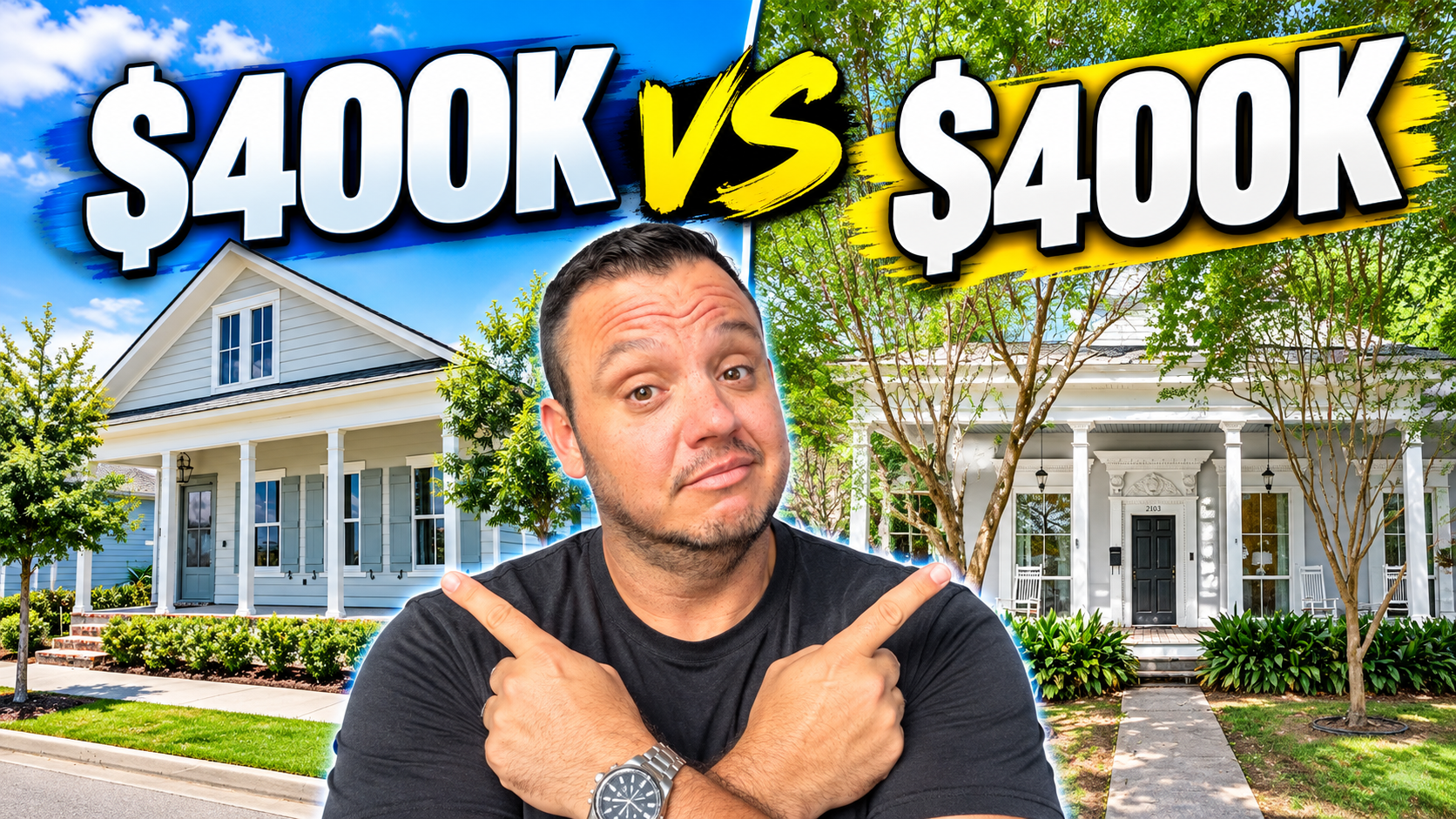
This is why I always recommend testing your actual commute from the house to your job at the exact times you would typically make that drive. If you need to be at work by 8:00 AM, don't test the drive at 1:30 PM. It's also a good idea to test the return trip. I've even made a whole video about where I'd live in Baton Rouge based on where I worked because the commute should be one of the biggest factors in deciding what area makes sense. As I often say, "You can change the kitchen, you can change the floors, but I 10 is I 10 and you can't change that." To see how different areas and price points might affect your commute and lifestyle, check out Moving to Baton Rouge? Here is What $400K Looks Like.
Home Inspection: Focusing on the Big-Ticket Items
While getting a home inspection is standard practice, the key is knowing what to prioritize during the process. It's easy to get caught up in cosmetic details during a showing, but these aren't the things that will truly cost you money down the road. My focus is always on the significant, potentially expensive issues that hide behind walls or in the attic.
I pay close attention to the condition of the roof, the HVAC system, and the foundation. Signs of water intrusion, termite damage, and major plumbing or electrical issues are critical. If the property is in a more rural area, the sewer system also becomes a top concern. Every house is different; an older home in Baton Rouge might have a distinct set of issues compared to a 5-year-old house in a newer development. The goal isn't to find a perfect house—there isn't one—but to understand exactly what you're buying so you can budget for potential repairs or negotiate appropriately.
Understanding HOA Rules and Deed Restrictions
Many neighborhoods around Baton Rouge and its suburbs come with homeowners associations (HOAs) and deed restrictions, which can significantly impact what you can and cannot do with your property. People often overlook this paperwork until they want to make a change that the neighborhood doesn't allow.
I want you to know what you can actually do with the property before you buy. Perhaps you plan to park a boat or RV at your house, build a shop, put up a specific type of fence, add a pool, or change the exterior of the house. The biggest mistake I see buyers make is not reading these documents thoroughly, only to find out months later that their plans are prohibited. So, we're not just asking about the HOA dues; we're diving into what the restrictions actually say. If you prefer the freedom to do pretty much whatever you want with your property, there are definitely places around here where you can do that, but we need to identify those areas upfront. For a look at a unique community with its own distinct feel and potentially different rules, consider Pointe-Marie: The Baton Rouge Neighborhood That Feels Completely Different.
Future Development Around Your Property
Beyond the property lines, understanding potential future development is crucial when buying a house in Baton Rouge. Nearby vacant land, planned road projects, or new subdivisions can significantly impact your peace, privacy, and property value. Always investigate what might be built around your prospective home to avoid unwelcome surprises later.
When I bought the lot for my current house almost 4 years ago, there was a large undeveloped section behind my property. I didn't know what would happen to it, so I intentionally left some of my land uncleared to create a buffer. We can't predict everything, but we can certainly try to find out what's already planned—are there road projects, new subdivisions being discussed, or commercial developments in the pipeline? A quiet road today could become a much busier one tomorrow. Thinking about these possibilities helps you anticipate potential impacts on your peace and property value.
Resale Considerations: Thinking Like a Future Buyer
Even if a home feels perfect now, considering its future resale potential is a smart move for any buyer in Baton Rouge. Life circumstances often change, necessitating a move, so understanding how easily the property might sell again is crucial. Evaluate factors that could impact its appeal to future buyers, ensuring your investment remains flexible.
Consider if there's anything about the house that could make it harder to sell later. Does it back up to a major road? Does it have an unusual floor plan or a lot that's significantly smaller than others in the neighborhood? What about its flood history or if the insurance is particularly difficult to obtain? Has the house been customized so much that it appeals only to a very niche buyer? None of these factors automatically mean you shouldn't buy the house, but it's crucial to be aware of them. While you might be perfectly okay with a certain trade-off, the question is whether the next buyer will be too.
Key Takeaways
- Flood Risk Assessment is Crucial: Always investigate beyond Flood Zone X, checking flood history, street drainage, and local water patterns, as many in Flood Zone X still flooded in 2016.
- Get a Specific Insurance Quote Early: Homeowners insurance costs in Louisiana vary widely based on roof age, claims history, and other factors, significantly impacting your monthly payment.
- Test Your Commute at Peak Times: Baton Rouge traffic can be unpredictable; a 15-mile drive can take vastly different times depending on bottlenecks like I-10 or the Mississippi River Bridge.
- Prioritize Major Inspection Items: Focus on the roof, HVAC, foundation, and signs of water or termite damage, as these "big ticket" issues are far more costly than cosmetic fixes.
- Understand HOA Rules and Future Development: Don't just check HOA dues; read the restrictions to ensure your plans (e.g., RV parking, sheds) are allowed, and assess nearby vacant land for potential future changes.
Frequently Asked Questions (FAQ)
Q: What should I check before buying a house in Baton Rouge?
A: Before buying a house in Baton Rouge, I recommend checking seven key areas: the property's flood zone and drainage, getting an actual homeowners insurance quote, testing your real-world commute, focusing on major issues during the home inspection, understanding HOA rules, researching potential future development nearby, and considering the home's resale potential.
Q: How do I find out a house's flood zone in Baton Rouge?
A: You can typically find a property's flood zone through FEMA's flood maps online or by asking your real estate agent, who can access this information. While Flood Zone X is often preferred, I always advise looking deeper into the property's specific flood history and drainage patterns, as even Zone X homes can experience flooding.
Q: Why is homeowners insurance important when buying in Louisiana?
A: Homeowners insurance is critical in Louisiana due to the state's higher risk of severe weather events, which can lead to higher premiums. It's important because costs can vary significantly based on the house's age, roof type, and claims history, directly impacting your monthly affordability and the long-term cost of homeownership.
Q: How can I test my commute time in Baton Rouge?
A: To accurately test your commute time in Baton Rouge, you should drive from the prospective house to your workplace at the exact times you would typically make that trip, both in the morning and evening. This accounts for local bottlenecks like the Mississippi River Bridge or I-10, which can make mileage an unreliable indicator of travel time.
Q: What are common HOA restrictions in Baton Rouge neighborhoods?
A: Common HOA restrictions in Baton Rouge neighborhoods can include rules on parking recreational vehicles (boats, RVs), building sheds or shops, specific types of fencing, exterior home modifications (like paint colors or additions), and even landscaping requirements. It's crucial to review the full deed restrictions to ensure your lifestyle and plans align with the community's rules.
---
Watch the Full Video
For more insights, watch the complete video: 7 Things to Check Before Buying a House in Baton Rouge
---
Making Your Move Easier
Moving forward does not have to be overwhelming. With the right guidance and support, you can navigate this journey smoothly. I am ready to help you every step of the way.
Here's how to get in touch:
📧 Email: info@louisianahomeliving.com
📞 Phone: (225) 347-0789
💻 YouTube: Living in Baton Rouge with Shaun Ramos
SHAUN RAMOS
A Baton Rouge, Louisiana real estate agent with LPT Realty helping buyers, sellers, and relocation clients across Greater Baton Rouge, including Livingston and Ascension Parishes. Through his Living in Louisiana YouTube channel, he breaks down the local market so you can move with confidence.

Recent Posts